
50/52 Why Learning New Skills Is a Powerful Growth Strategy for Small Business Owners
31 December 2025
52/52 Adaptability: The Growth Skill That Keeps Small Businesses Relevant
9 January 2026KEY CONCEPT: Industry conferences and business networking events for small businesses don’t drive growth by accident. They drive growth when approached with clarity, intention, and follow-through.
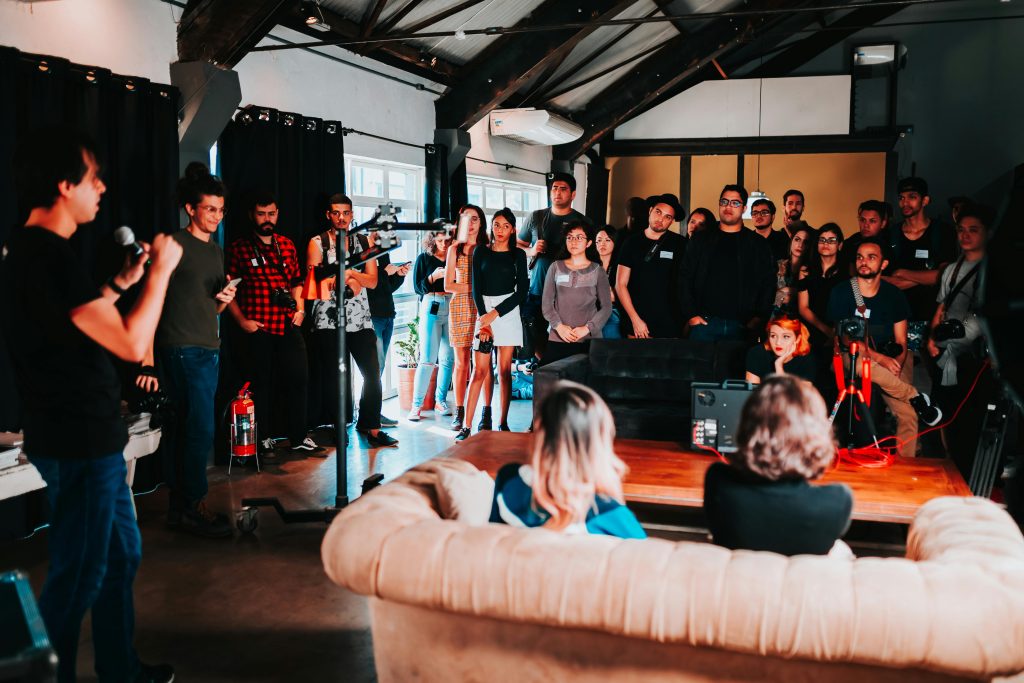
This is the 51st of 52 articles on what small business owners can do to grow their businesses.
Introduction
Industry conferences and business networking events for small businesses are often underleveraged growth tools. Many small business owners attend hoping that something useful will happen — a good conversation, a new contact, perhaps a lead. What’s rarely questioned is the assumption that simply attending is enough.
It isn’t.
Events don’t create momentum solely through numbers. Growth comes from trust, being known, credible, and recognised by the right people. For small firms, conferences are not marketing exercises; they are trust-building platforms. When expertise is shared visibly, through speaking, contributing, exhibiting, or leading conversations, credibility accelerates and opportunities follow.
This article looks beyond attendance and explores how small businesses can use business networking events strategically, not just to be present, but to be recognised.
Events Are a Growth Tool (Not a Jolly)
Conferences and networking events provide access to ideas, people, and opportunities that are difficult to reach from behind a desk. They are business development activities, not social outings.
Common objections include time, cost, and discomfort with networking. But the goal isn’t attending more events; it’s choosing the right business networking events for small businesses and using them well. One well-selected event, approached intentionally, can replace months of slow relationship‑building.
You don’t go to events to be busy. You go to be trusted, and trust accelerates growth.
Credibility is built faster when expertise is demonstrated publicly rather than claimed privately. Visibility reduces perceived risk for buyers. Growth comes from who you meet, what you learn, and what you apply — not from how many sessions you attend or business cards you collect.
Why Visibility Works for SMEs
Showing up consistently at the right events builds familiarity, authority, and confidence in your business.
Benefits include:
- Learning and insight: Events compress months of market intelligence into days.
- Relationships and opportunities: Clients, partners, suppliers, mentors, and collaborators gather where conversation is expected.
- Visibility and positioning: Attending, exhibiting, or speaking signals credibility and commitment.
- Compounding returns: One appearance often leads to further invitations, partnerships, media interest, or advisory opportunities.
Authority compounds. Visibility isn’t self-promotion; it’s risk reduction for buyers.

Choosing the Right Events
Not all events serve the same purpose. Owners often waste time attending events that don’t match their stage or objectives.
Choose events based on what the business needs next: leads, insight, partnerships, or visibility.
Common formats include:
- Industry conferences and trade shows (trends, credibility, suppliers, competitors)
- Local networking and sector groups (referrals and relationships)
- Professional association events (standards and trust)
- Workshops, masterminds, and webinars (depth and skills)
Speaking, exhibiting, and teaching shift the dynamic from chasing leads to attracting them.
Matching Format to Business Stage
A mismatch between readiness and format wastes time, resources and energy.
- Early stage: Panels, small workshops, local events
- Growth stage: Exhibiting, hosting sessions, structured networking
- Established: Thought leadership, keynote workshops, industry panels
Why Speaking, Exhibiting, and Teaching Work
Event visibility borrows credibility from organisers and peers.
- Panels provide peer validation.
- Workshops demonstrate expertise through action.
- Exhibiting signals legitimacy and commitment.
People approach speakers and exhibitors because trust has already begun. The result is warmer conversations, better leads, and shorter sales cycles.

Preparation Is Where ROI Is Made
Most value is created before the event.
Effective preparation includes:
- Setting 2–3 clear objectives
- Reviewing agendas and attendee lists
- Define the problem you help solve
- Preparing a simple, non-salesy introduction
- Booking meetings in advance where possible
- Having clear assets and follow-up mechanisms ready
The best networkers don’t wing it; they plan.
Exhibiting: Practical Guidance
Exhibiting creates a temporary “pop-up shop” for high-intent conversations.
Focus on:
- One clear message
- Plain language and simple visuals
- Conversation over brochures
- Proof: case studies, testimonials, demos
- Easy lead capture and a clear follow-up plan
Panels and Workshops
Panels generate inbound interest without pitching. Workshops go further by letting people experience how you work.
Effective sessions:
- Focus on real problems, not theory.
- Use stories and practical examples.
- Match the level of the audience.
- Teach rather than sell.
Teaching builds trust faster than talking.

Networking Skills That Actually Work
Strong networking is about skill, not personality.
Effective approaches include:
- Prioritising depth over volume
- Asking good, open questions
- Listening more than pitching
- Connecting others
- Sharing insight, not selling
The goal is to start relevant conversations, not collect contacts.
Follow-up is Non-negotiable
Most SMEs lose value by failing to follow up.
Post-event actions:
- Connect within 24–72 hours.
- Reference the specific conversation.
- Suggest a clear next step.
- Share something useful.
- Log and track contacts.
- Review what worked and refine your approach.
Follow-up turns conversations into opportunities.
Measuring Success
Return to your original objectives.
Track indicators such as:
- Warm leads and referrals
- Follow-up meetings
- Partnerships formed
- Ideas implemented
- Revenue influenced
- Confidence and clarity gained.
Not all returns are immediate, but they should be intentional.

Common Mistakes to Avoid
- Attending without objectives
- Talking only to familiar faces
- Overselling
- Skipping follow-up
- Treating events as one-offs rather than part of a system.
In Conclusion
Speaking, teaching, and exhibiting make trust visible. For small businesses, they shorten the distance between being unknown and being chosen.
Conferences and networking events drive growth not through chance encounters, but through deliberate learning, relationship‑building, and follow-through.
Before your next event, pause and ask: What do I want to be known for – and who needs to know it? Choose one event this year and attend it with purpose, clarity, and a plan to build relationships that last beyond the room.
This article is part of the 52 Things Small Business Owners Can Do to Grow Their Businesses series. Each instalment focuses on one practical, people-centred action that supports sustainable growth. If this one resonated, explore the full series to find the small, intentional changes that compound over time.
#HaywardHub #MakeADifference #ChangeOneThing #BusinessGrowth #GrowWithPurpose
To learn more about what we do at the Hayward Hub, please visit our website here, follow me on LinkedIn, or connect with me on Facebook.